|
|
| Home | Downloads | Products | About Us | Contact Us |
|
How to examine a strabismus patient? History Take good history including following points in consideration At what age deviation was first noticed? Whether it is contestant or intermittent? Which eye usually deviated? Whether diplopia is present? Family history Inspection Inspect for head tilt, chin up or down and face turn. Inspect for fixation OD, OS or OU Visual Acuity without glasses with glassesRefraction
Orthoptic Examination 1. Head posture · Head turn · Face turn · Chin 2. Ocular Movements 3. Nystgmus 4. Inter papillary distance 5. Near point of convergence 6. Near point of accommodation 7. Prism Bar Cover Test (PBCT) with glasses in place
8. Subjective measurement of deviation for distance by Maddox Rod with Prism Bar Cover Test 9. Subjective measurement of deviation for near with Maddox Wing 10. State of Binocular Vision
11. Fusional Amplitude 12. Sterereopsis 13. Diplopia Charting 14 Hess / Lee Charting 15. Force Duction Test 16 Force Generation Test |
|
| Reference | |
|
|
|
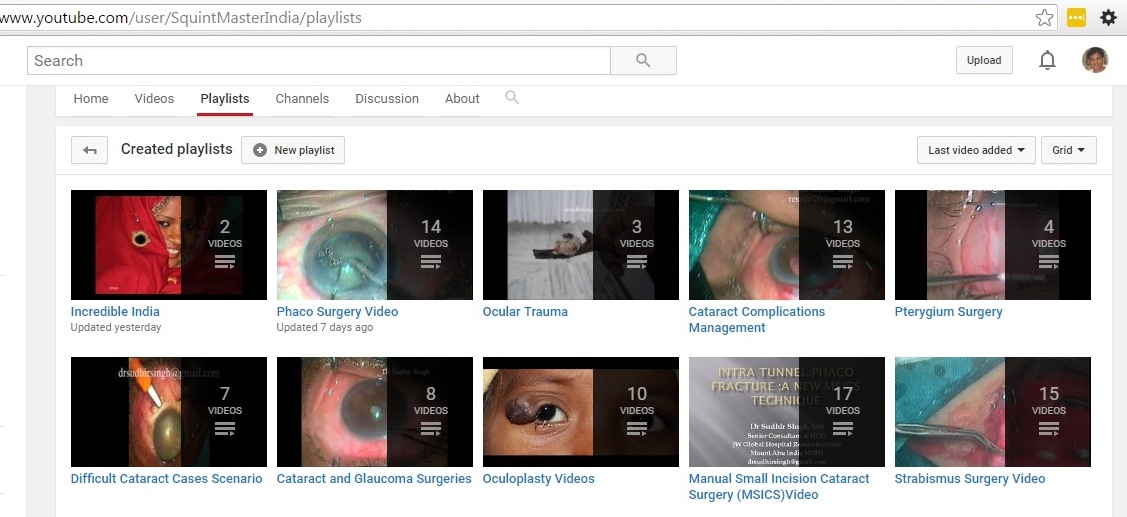
| Ophthalmology Surgeries Videos on YouTube | |
Disclaimer | Copyright © 2008 squintmaster.com ,All Rights Reserved